Psoriasis & Chinese Medicine
Psoriasis is a chronic inflammatory skin condition characterized by well-defined plaques with thick, silvery scaling. In psoriasis, skin cells known as keratinocytes proliferate at an accelerated rate, leading to the buildup of inflamed, scaly lesions on the skin. In Traditional Chinese Medicine (TCM), psoriasis is referred to as Bai Bi, or “white crust,” for this reason.
Common signs and presentations of psoriasis may include:
- Red, inflamed plaques with silvery scales
- Dry, cracked, or itchy skin lesions
- Flare-ups commonly affecting the elbows, knees, scalp, and lower back
- Nail involvement affecting the fingers or toes
- Pinpoint bleeding when scales are removed, known as Auspitz’s sign
- Joint pain or stiffness associated with psoriatic arthritis
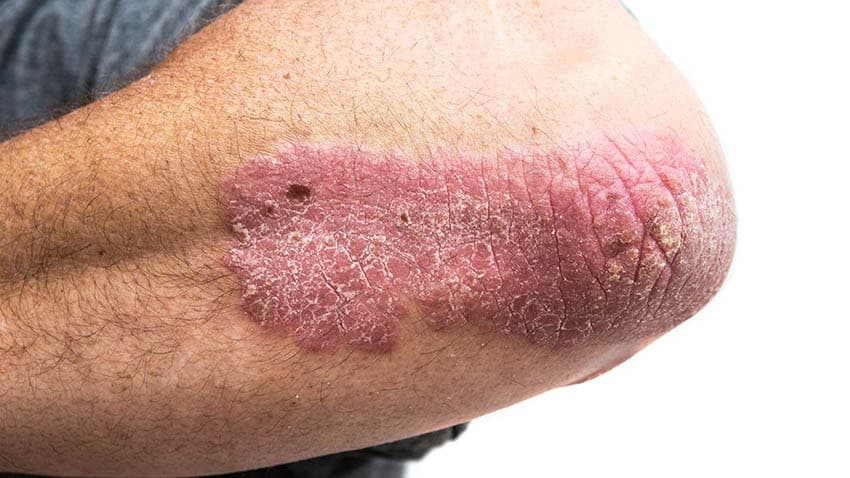
Psoriasis image via Wikimedia Commons. Licensed under CC BY-SA 4.0.
Psoriasis is believed to involve immune, genetic, metabolic, and environmental factors. Common triggers that may worsen symptoms include:
- Stress and emotional strain
- Infection or illness
- Skin trauma or irritation
- Climate and environmental changes
- Certain medications, including lithium and antimalarials
Psoriasis can occur at any age, though onset most commonly appears between ages 15–30. At Andy Boehm, LAc, treatment focuses on helping to reduce inflammation, calm flare-ups, and support skin health through acupuncture and Chinese herbal medicine.
Book AppointmentHow Traditional Chinese Medicine Views Psoriasis
Common TCM patterns associated with psoriasis include:
Blood Heat
Redness, inflammation, rapid flare-ups, and itching
Blood Dryness
Dry, thickened, or scaling skin lesions
Blood Stasis
Chronic, stubborn plaques and darker discoloration
Wind
Itching, spreading lesions, and fluctuating symptoms
Damp-Heat
Inflamed, irritated, or weeping presentations
TCM also considers psoriasis to be influenced by:
Stress
Emotional stress and prolonged internal heat
Digestion
Digestive imbalance involving the spleen and stomach
Diet
Spicy foods, alcohol, shellfish, and greasy foods
Deficiency
Liver and kidney deficiency patterns contributing to chronic or recurring flare-ups
Our Approach to Psoriasis Treatment
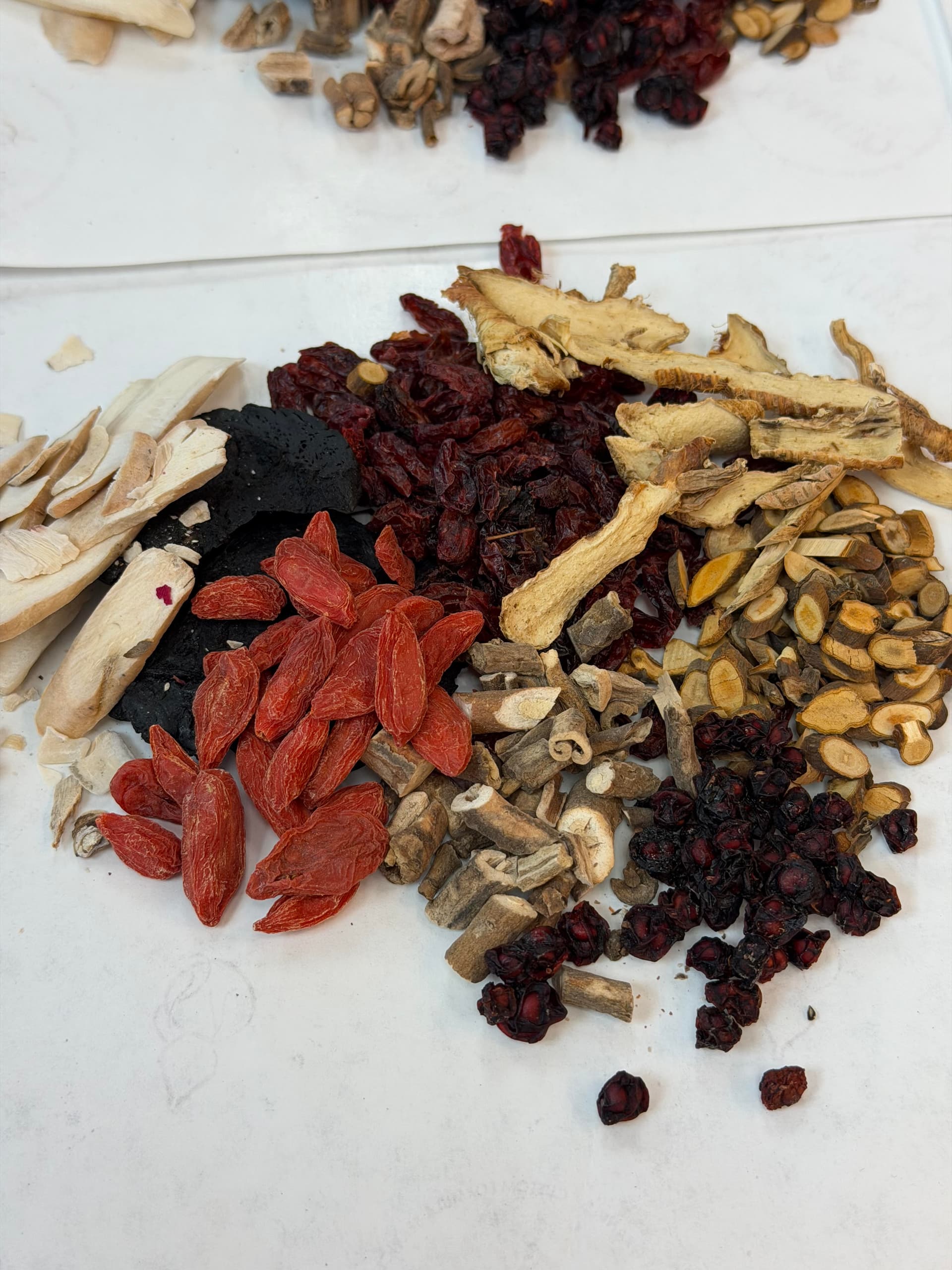
Based on your psoriasis presentation, sessions may include acupuncture, Chinese herbal medicine, cupping, gua sha, and lifestyle guidance to help reduce inflammation, scaling, chronic itching, flare-ups, and immune dysregulation while supporting skin and joint health.
Types of Psoriasis
Plaque Psoriasis
Red, scaly plaques commonly affecting the elbows, knees, scalp, and lower back.
Guttate Psoriasis
Small drop-like lesions often triggered by infection.
Flexural Psoriasis
Inflamed psoriasis affecting skin folds and sensitive areas.
Pustular Psoriasis
Inflamed skin with pustules and irritation.
Erythrodermic Psoriasis
A severe inflammatory form of psoriasis involving widespread redness and skin shedding.
Psoriatic Arthritis
Psoriasis associated with joint pain, stiffness, and inflammation.
Frequently Asked Questions
How long does psoriasis treatment take?
+
The timeline for psoriasis treatment depends on the severity, chronicity, and overall presentation of the condition. Many patients notice improvement within 6–8 weeks with consistent treatment 1–2 times per week, though relief from itching, inflammation, and flare-ups may occur sooner.
Do I need to use acupuncture and Chinese herbs together?
+
Acupuncture and Chinese herbal medicine are often most effective when used together. Acupuncture helps regulate inflammation, stress, and immune function, while herbal medicine provides continued support between sessions to help reduce scaling, irritation, and recurrent flare-ups.
Can I use acupuncture and Chinese herbs alongside my current psoriasis treatment?
+
Yes. Acupuncture and Chinese herbal medicine can often be used alongside conventional dermatological care. Your practitioner will review your medications and supplements to ensure herbs are prescribed safely and appropriately.
Can acupuncture help psoriatic arthritis?
+
Acupuncture may help support patients experiencing psoriatic arthritis by helping reduce joint pain, stiffness, inflammation, and stress associated with chronic flare-ups.
Ready to start treating your psoriasis naturally?
Book an appointment at our Manhattan-based clinic to begin a personalized treatment plan using acupuncture and Chinese herbal medicine for chronic psoriasis relief and long-term skin health.
Book Appointment