Eczema & Chinese Medicine
Eczema is a chronic inflammatory skin condition that can affect sleep, stress levels, confidence, and daily comfort. Symptoms often include:
- Itching
- Dryness and flaking
- Redness and inflammation
- Oozing or irritated lesions
- Recurrent flare-ups
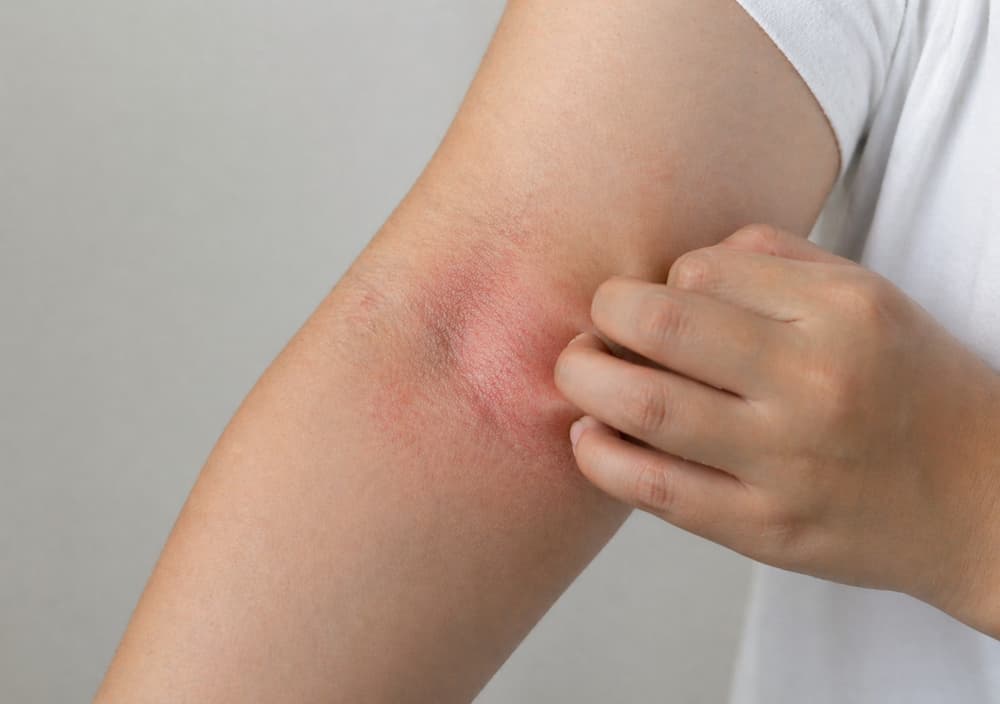
Eczema can be influenced by both external triggers and internal imbalances. Common contributing factors include:
- Stress and poor sleep
- Digestive and immune dysfunction
- Heat, dryness, sweat, and climate changes
- Foods, chemicals, fabrics, and skin irritation
At Andy Boehm, LAc, treatment focuses on addressing both the root imbalance and visible skin symptoms through Chinese herbal medicine and acupuncture for eczema.
Book AppointmentHow Traditional Chinese Medicine Views Eczema
In Traditional Chinese Medicine (TCM), eczema is viewed as a pattern of internal imbalance combined with external pathogenic factors affecting the skin. Classical Chinese medicine texts describe eczema as conditions such as Shi Zhen ("damp eruption") and Feng Shi Chuang ("wind-damp sore"). Common TCM patterns associated with eczema include:
Wind
Itching and sudden flare-ups
Dampness
Oozing, weeping, or slow-healing lesions
Heat
Redness, inflammation, swelling, and irritation
Deficiency
Chronic, recurring, or dry skin conditions
TCM also views eczema as being connected to imbalances involving the:
Spleen
Impaired fluid metabolism and damp accumulation
Heart
Heat and inflammation
Kidneys
Chronic weakness and long-term flare-ups
Dietary factors such as spicy, greasy, or overly rich foods may also contribute to internal heat and dampness that can worsen eczema symptoms.
Our Approach to Eczema Treatment
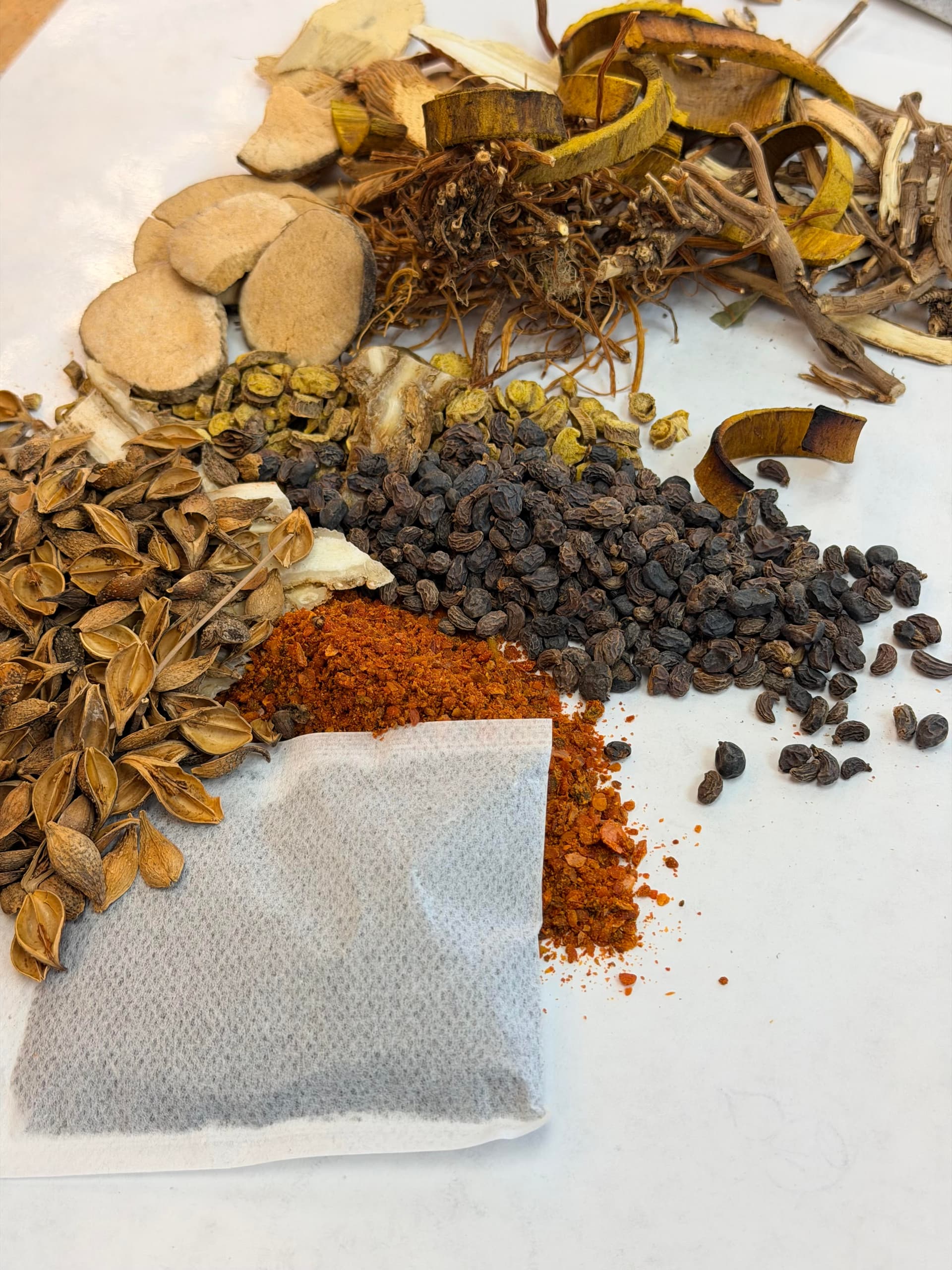
Based on your eczema presentation, sessions may include acupuncture, Chinese herbal medicine, cupping, gua sha, and lifestyle guidance to help reduce inflammation, chronic itching, flare-ups, and nervous system dysregulation while supporting skin health.
Types of Eczema
Atopic Dermatitis
Chronic inflammation, dryness, itching, and recurrent flare-ups.
Dyshidrotic Eczema
Itchy blisters affecting the hands and feet.
Facial & Scalp Eczema
Redness, irritation, flaking, and sensitive skin.
Stress-Triggered Flare-Ups
Symptoms worsened by stress, poor sleep, and nervous system dysregulation.
Topical Steroid Withdrawal
Chinese medicine may help support skin healing, calm inflammation, reduce itching, and ease symptoms during withdrawal.
Frequently Asked Questions
How long does eczema treatment take?
+
The timeline for eczema treatment depends on the severity, duration, and overall presentation of the condition. Many patients notice meaningful improvement within 6–8 weeks with consistent treatment 1–2 times per week, while relief from itching, inflammation, and discomfort may occur sooner.
Do I need to use acupuncture and Chinese herbs together?
+
Acupuncture and Chinese herbal medicine are often most effective when used together. While acupuncture helps regulate inflammation, stress, and the nervous system, herbal medicine provides ongoing support between sessions to help reduce flare-ups and promote skin healing.
Can I use acupuncture and Chinese herbs alongside my current medical treatment?
+
Yes. Acupuncture and Chinese herbal medicine can often be used alongside conventional dermatological care. Your practitioner will review your medications and supplements to ensure herbs are prescribed safely and appropriately.
Do you treat topical steroid withdrawal (TSW)?
+
Yes. Many patients seek out Chinese medicine for support during topical steroid withdrawal (TSW). Treatment may help reduce inflammation, itching, discomfort, and nervous system dysregulation while supporting the skin's healing process naturally.
Ready to start treating your eczema naturally?
Book an appointment at our Manhattan-based clinic to begin a personalized treatment plan using acupuncture and Chinese herbal medicine for chronic eczema relief and long-term skin health.
Book Appointment